
raymond’s run short story pdf
Need a Raymond’s Run PDF for school or just for reading? Get instant access to this powerful short story & explore themes of family, pride, and running! ✨
Raymond’s Run: A Comprehensive Analysis
Finding a reliable “Raymond’s Run” short story PDF requires caution; legitimate online sources‚ like educational websites‚ offer safe downloads‚
avoiding risks from unverified sites․
“Raymond’s Run‚” a compelling short story penned by Toni Cade Bambara‚ introduces Hazel Parker‚ nicknamed Squeaky‚ a fiercely independent and dedicated young runner․ The narrative unfolds within the vibrant‚ yet challenging‚ landscape of Harlem‚ offering a poignant glimpse into the life of a young girl navigating societal expectations and familial responsibilities․
The story’s enduring appeal stems from its exploration of universal themes – sibling bonds‚ the pursuit of personal excellence‚ and the subtle yet pervasive impact of social inequalities․ While readily available online‚ locating a trustworthy “Raymond’s Run” PDF demands discernment․ Numerous websites host digital copies‚ but prioritizing reputable educational resources or established literary archives ensures a safe and authentic reading experience‚ safeguarding against potential malware or corrupted files often found on less secure platforms․
Bambara’s masterful storytelling and Squeaky’s distinctive voice captivate readers‚ making “Raymond’s Run” a frequently studied work in educational settings․
II․ Author Background: Toni Cade Bambara
Toni Cade Bambara (1939-1982) was a prolific African-American author‚ activist‚ and filmmaker deeply committed to portraying the complexities of Black life in America․ Her work frequently centered on the experiences of Black women and girls‚ exploring themes of community‚ identity‚ and social justice․ Bambara’s background significantly influenced her writing; she held a BA in Theatre Arts and an MA in English‚ and was actively involved in the Black Arts Movement․
Finding a reliable “Raymond’s Run” PDF necessitates understanding Bambara’s commitment to authenticity․ Her stories‚ including this one‚ are characterized by realistic dialogue and nuanced characters․ Numerous online sources offer the story‚ but verifying the source’s credibility is crucial to ensure you’re accessing an accurate representation of her work․
Bambara’s legacy extends beyond her literary contributions; she was a dedicated educator and community organizer‚ reflecting her belief in the power of art to inspire social change․

III․ Historical Context: 1970s America & Black Literature
“Raymond’s Run‚” published in 1972‚ emerges from a pivotal era in American history․ The 1970s witnessed ongoing struggles for civil rights‚ alongside the rise of Black Power and feminist movements․ This period saw a flourishing of Black Literature‚ challenging dominant narratives and amplifying marginalized voices․ Authors like Bambara sought to depict the realities of Black communities with honesty and complexity․
Locating a trustworthy “Raymond’s Run” PDF requires acknowledging this historical backdrop․ The story reflects the limited opportunities and social inequalities faced by many African Americans during this time․ Accessing a legitimate PDF ensures you’re engaging with the text as it was originally intended‚ within its socio-political context․
The decade also saw increased awareness of disability rights‚ subtly present in Raymond’s character‚ adding another layer to the story’s resonance․
IV․ Plot Summary: A Detailed Overview

“Raymond’s Run” centers on Hazel Parker‚ nicknamed Squeaky‚ a fiercely competitive eleven-year-old runner in Harlem․ Squeaky dedicates her life to running‚ constantly practicing and mentally preparing for races․ She also bears the responsibility of caring for her older brother‚ Raymond‚ who has intellectual disabilities․
The story unfolds as Squeaky prepares for the annual May Day races‚ confident in her victory․ However‚ during the race‚ she notices Raymond running alongside her‚ mirroring her movements․ This unexpected event causes her to pause and reassess her priorities․
Finding a reliable “Raymond’s Run” PDF allows for close reading of this pivotal moment․ Squeaky realizes her connection with Raymond is more important than winning‚ and begins to run with him‚ discovering a new form of joy and companionship․
V․ Character Analysis: Squeaky (Hazel Parker)
Hazel Parker‚ known as Squeaky‚ is a complex and compelling protagonist․ She’s fiercely independent‚ pragmatic‚ and intensely focused on running‚ viewing it as her domain and source of pride․ Squeaky’s narration is characterized by a street-smart‚ colloquial voice‚ reflecting her Harlem upbringing․
Initially‚ Squeaky appears self-absorbed‚ prioritizing her athletic pursuits above all else․ However‚ her dedication also stems from a desire to prove herself and escape the limitations of her environment․ Her relationship with Raymond is initially presented as a burden‚ yet reveals a deep‚ protective love․
Accessing a “Raymond’s Run” PDF facilitates a deeper understanding of Squeaky’s internal conflict․ The story charts her transformation as she learns to value connection and compassion over competition‚ ultimately redefining her sense of self․
VI․ Character Analysis: Raymond
Raymond‚ Squeaky’s brother‚ is intellectually disabled‚ and his portrayal is central to the story’s themes․ He possesses an extraordinary ability to run‚ often spontaneously and with a unique‚ rhythmic style․ While others may dismiss him‚ Squeaky recognizes and appreciates his talent‚ acting as his protector and coach․
Raymond’s disability isn’t presented as a tragedy‚ but rather as a different way of experiencing the world․ He embodies a pure‚ uninhibited joy in movement‚ contrasting with the competitive pressures Squeaky faces․ His presence challenges Squeaky’s narrow focus on winning․
Studying a “Raymond’s Run” PDF allows for close examination of Raymond’s characterization․ The narrative subtly reveals his inherent worth and the profound impact he has on Squeaky’s evolving perspective‚ ultimately fostering empathy․
VII․ Themes Explored in the Story
“Raymond’s Run” delves into several powerful themes‚ including sibling relationships‚ the pursuit of excellence‚ and societal limitations․ Squeaky’s devotion to Raymond highlights the complexities of familial responsibility and unconditional love‚ challenging conventional notions of caregiving․
The story critiques the intense pressure to compete and win‚ suggesting that true fulfillment lies beyond external validation․ Examining a “Raymond’s Run” PDF reveals how Bambara contrasts Squeaky’s ambition with Raymond’s unadulterated joy in running․
Furthermore‚ the narrative subtly addresses social inequality and limited opportunities‚ particularly for individuals with disabilities․ The story’s enduring relevance stems from its exploration of these universal themes‚ prompting readers to question societal norms․
VII․A․ Sibling Relationships & Responsibility
The core of “Raymond’s Run” revolves around the dynamic between Squeaky and her brother‚ Raymond․ Squeaky shoulders a significant responsibility for Raymond‚ acting as his protector and companion‚ often sacrificing her own desires for his well-being․
Analyzing a “Raymond’s Run” PDF reveals the nuanced portrayal of their bond – a mixture of affection‚ frustration‚ and unwavering loyalty․ Squeaky’s initial perception of Raymond evolves throughout the story‚ demonstrating a growing understanding of his unique abilities;
Bambara masterfully illustrates how sibling relationships can be both challenging and deeply rewarding‚ highlighting the selfless nature of Squeaky’s commitment․ This theme resonates with readers‚ prompting reflection on the complexities of family dynamics and the burdens of caregiving․
VII․B․ The Pursuit of Excellence & Competition
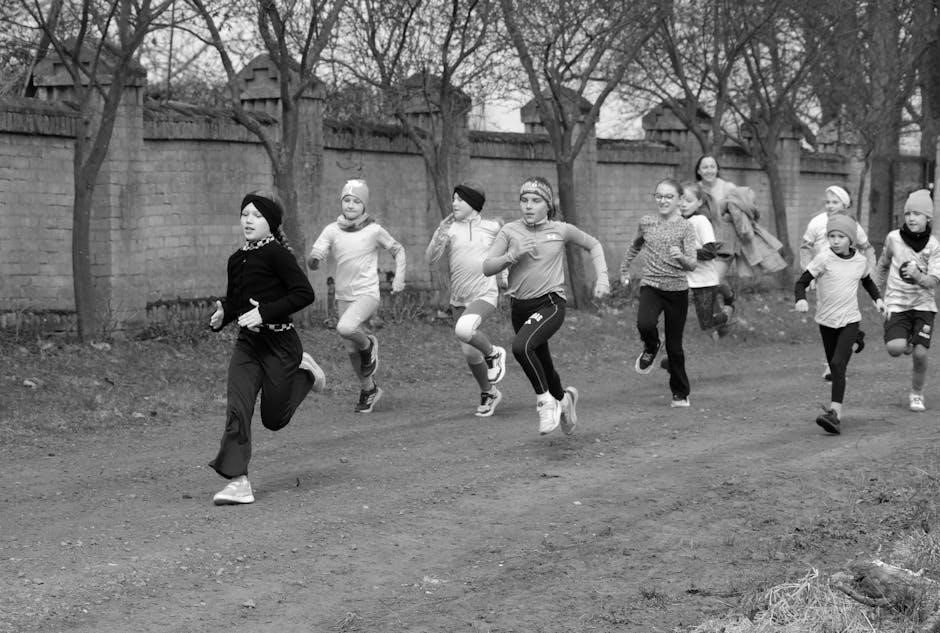
Squeaky’s dedication to running embodies the relentless pursuit of excellence and the competitive spirit․ She meticulously trains‚ viewing herself as the undisputed champion of her neighborhood․ A close reading of a “Raymond’s Run” PDF reveals her unwavering focus and determination to succeed․
However‚ Bambara subtly critiques the nature of competition‚ suggesting that true victory lies not solely in winning‚ but in recognizing and celebrating individual strengths․ Squeaky’s initial arrogance gradually gives way to a more compassionate understanding of herself and others․
The story questions the value of external validation‚ implying that genuine fulfillment comes from internal growth and the joy of participation; This theme encourages readers to re-evaluate their own definitions of success and the pressures of societal expectations․
VII․C․ Social Inequality & Limited Opportunities
“Raymond’s Run‚” accessible through a “Raymond’s Run” PDF‚ subtly portrays the social inequalities prevalent in 1970s Harlem․ The story highlights limited opportunities available to individuals‚ particularly those with disabilities like Raymond‚ and those from marginalized communities․
Squeaky’s world‚ while focused on running‚ is circumscribed by her neighborhood’s constraints․ Access to resources and broader societal mobility are implied to be restricted․ The narrative doesn’t explicitly dwell on these issues‚ but they form a crucial backdrop to the characters’ lives․
Bambara’s depiction underscores the systemic barriers faced by many‚ suggesting that true potential often remains untapped due to societal limitations․ The story invites reflection on the importance of inclusivity and equitable access to opportunities for all․
VIII․ Symbolism in “Raymond’s Run”
Analyzing a “Raymond’s Run” PDF reveals rich symbolism woven throughout Bambara’s narrative․ Running itself transcends a mere sport‚ becoming a metaphor for life’s journey‚ competition‚ and personal freedom․ Raymond’s unique gait and intellectual disability aren’t presented as limitations‚ but as symbolic representations of difference and acceptance․
The track‚ a central location‚ symbolizes the structured course of life‚ with its defined lanes and the pursuit of a finish line․ However‚ Squeaky’s evolving perspective challenges the rigid notion of winning at all costs․
The story’s symbols encourage readers to look beyond surface appearances and consider deeper meanings related to identity‚ societal expectations‚ and the beauty of individual expression․
VIII․A․ Running as a Metaphor
Examining a “Raymond’s Run” PDF highlights how running functions as a powerful metaphor extending far beyond athletic competition․ Squeaky’s dedication to running embodies her pursuit of self-definition and control within a limited environment․ The act of running represents her escape‚ her ambition‚ and her assertion of independence․
The story suggests running isn’t solely about speed or winning; it’s about the discipline‚ focus‚ and resilience required to navigate life’s challenges․ Squeaky’s training regimen symbolizes her commitment to self-improvement and her refusal to be confined by societal expectations․
Ultimately‚ running mirrors the human experience – a continuous striving‚ a constant negotiation between effort and outcome‚ and a journey of self-discovery․
VIII․B․ Raymond’s Disability as Symbolism
Analyzing a “Raymond’s Run” PDF reveals Raymond’s intellectual disability serves as a potent symbol‚ challenging conventional notions of ability and societal expectations․ He represents vulnerability‚ innocence‚ and a different way of experiencing the world‚ forcing Squeaky to confront her own prejudices and limitations․
Raymond isn’t portrayed as a burden‚ but rather as a source of unexpected joy and liberation for Squeaky․ His uninhibited running‚ free from the constraints of competition‚ ironically surpasses her own disciplined approach‚ suggesting a different kind of freedom․
His disability ultimately prompts Squeaky’s transformation‚ shifting her focus from self-centered ambition to a more compassionate and inclusive worldview․
VIII․C․ The Track as a Representation of Life’s Course
Examining a “Raymond’s Run” PDF highlights how the running track functions as a powerful metaphor for life’s journey․ It embodies competition‚ striving for goals‚ and the pressures of societal expectations‚ mirroring the challenges individuals face navigating their own paths․
Squeaky’s dominance on the track initially symbolizes her control and self-assurance‚ but the story subtly reveals the limitations of solely focusing on external validation․ The track isn’t merely a physical space; it’s a microcosm of the larger world‚ with its inherent inequalities and opportunities․
Ultimately‚ Squeaky’s realization that running with Raymond is more fulfilling than winning races signifies a shift in perspective‚ suggesting that true fulfillment lies in connection and acceptance‚ not solely in achievement․
IX․ Narrative Style & Point of View
Analyzing a “Raymond’s Run” PDF reveals Bambara’s masterful use of first-person narration‚ told through the voice of Hazel Parker‚ nicknamed Squeaky․ This intimate perspective immerses the reader in Squeaky’s thoughts‚ feelings‚ and distinctive vernacular‚ creating a sense of authenticity and immediacy․
The narrative style is characterized by its colloquial language‚ fragmented sentences‚ and vivid descriptions of Harlem․ This stylistic choice not only reflects the speech patterns of the community but also conveys Squeaky’s energetic and observant nature․
Bambara’s deliberate choice of point of view allows for a nuanced exploration of Squeaky’s evolving understanding of herself‚ her brother‚ and the world around her‚ making the story deeply personal and relatable․
X․ Language & Dialect: Authenticity and Voice
Examining a “Raymond’s Run” PDF highlights Toni Cade Bambara’s commitment to representing authentic African American Vernacular English (AAVE)․ The story’s language isn’t merely dialect; it’s integral to characterization and setting‚ grounding the narrative firmly in its Harlem context․
Bambara skillfully employs slang‚ colloquialisms‚ and rhythmic phrasing to capture the cadence of everyday speech‚ particularly Squeaky’s voice․ This linguistic realism enhances the story’s credibility and provides insight into the characters’ social and cultural backgrounds․
The deliberate use of language also serves to challenge conventional literary norms and celebrate the richness and complexity of Black language‚ contributing to the story’s overall power and resonance․
XI․ Critical Reception & Literary Significance
Accessing a “Raymond’s Run” PDF allows for deeper study of its critical acclaim․ Initially published in 1972‚ the story quickly gained recognition for its realistic portrayal of Black girlhood and its nuanced exploration of themes like sibling relationships and societal limitations․
Critics lauded Bambara’s innovative narrative style and her authentic representation of Harlem vernacular․ The story’s enduring literary significance lies in its ability to resonate with readers across generations‚ prompting discussions about identity‚ disability‚ and social justice․
“Raymond’s Run” is frequently included in anthologies and assigned in educational settings‚ solidifying its place as a cornerstone of American literature and a vital text for understanding the Black Arts Movement․
XII․ “Raymond’s Run” and the Black Arts Movement
A readily available “Raymond’s Run” PDF facilitates understanding its connection to the Black Arts Movement․ Emerging in the 1960s and 70s‚ this movement championed Black self-determination and artistic expression‚ rejecting dominant cultural norms․
Toni Cade Bambara’s work‚ including this story‚ embodies the movement’s principles through its focus on Black characters‚ authentic dialogue‚ and exploration of Black experiences․ “Raymond’s Run” diverges from traditional literary representations‚ centering a young Black girl’s perspective and challenging conventional narratives․
The story’s celebration of Black community and its critique of societal barriers align with the Black Arts Movement’s goals of empowerment and social change‚ making it a significant contribution to the era’s literary landscape․
XIII․ Exploring the Story’s Setting: Harlem
Accessing a “Raymond’s Run” PDF allows for focused analysis of Harlem as a crucial element of the narrative․ Bambara vividly portrays Harlem not merely as a backdrop‚ but as a dynamic character shaping Squeaky and Raymond’s lives․
The story’s depiction of the neighborhood reflects its vibrancy‚ challenges‚ and strong sense of community․ Details of the streets‚ storefronts‚ and interactions between residents ground the story in a specific time and place‚ enhancing its realism․
Harlem’s social context—including limited opportunities and prevalent inequalities—influences the characters’ aspirations and struggles․ Understanding this setting is vital for interpreting the story’s themes and appreciating Bambara’s nuanced portrayal of urban life․
XIV․ The Role of Community in the Narrative
A readily available “Raymond’s Run” PDF facilitates a deeper examination of how community profoundly impacts the characters’ experiences․ Bambara showcases Harlem’s community as a complex network of support‚ observation‚ and judgment;
The story highlights the collective awareness of Squeaky’s running prowess and Raymond’s differences․ Neighbors’ comments and reactions shape Squeaky’s self-perception and her protective instincts towards her brother․
The presence of Mr․ Beneficiary and the other children at the race demonstrates the community’s engagement in local events and their recognition of individual talents․ This communal aspect underscores the importance of belonging and shared experiences within Harlem’s social fabric․
XV․ Analyzing Squeaky’s Transformation

Accessing a “Raymond’s Run” PDF allows for close reading of Squeaky’s evolving character arc․ Initially‚ she’s fiercely independent‚ prioritizing her running and maintaining a tough exterior to ward off unwanted attention․
Her transformation begins with observing Raymond’s unexpected joy and natural talent during the race․ This shifts her focus from personal achievement to recognizing and celebrating her brother’s unique abilities․
Squeaky’s realization that she can run with Raymond‚ rather than for herself‚ signifies a profound emotional growth․ She learns to embrace a more inclusive and compassionate perspective‚ prioritizing their shared experience over individual competition; This newfound empathy marks a significant shift in her character․

XVI․ Raymond’s Impact on Squeaky’s Perspective
Studying a “Raymond’s Run” PDF reveals how Raymond fundamentally alters Squeaky’s worldview․ Initially‚ she views him as an embarrassment‚ a burden hindering her athletic pursuits and social standing․
However‚ witnessing his uninhibited joy and natural running ability during the race forces Squeaky to re-evaluate her perceptions․ She recognizes his inherent worth and the beauty in his unique way of experiencing the world․

Raymond’s presence challenges Squeaky’s self-centeredness‚ prompting her to prioritize connection and acceptance over personal glory․ This shift demonstrates a maturing empathy and a broadened understanding of what truly matters‚ moving beyond competitive ambition․
XVII․ The Ending of the Story: Interpretation & Debate
Analyzing a “Raymond’s Run” PDF highlights the ambiguity of the ending‚ sparking ongoing debate․ Squeaky’s decision to run with Raymond‚ rather than compete‚ isn’t a surrender‚ but a conscious choice prioritizing their bond․
Some interpret it as a loss of ambition‚ while others see it as a triumph of compassion and a rejection of societal pressures․ The open-ended nature invites readers to contemplate the true meaning of success and happiness․
The final image of them running together symbolizes a newfound equality and mutual support‚ suggesting Squeaky’s growth transcends athletic achievement․ It’s a powerful statement about redefining victory on one’s own terms․
XVIII․ “Raymond’s Run” in Educational Settings
Utilizing a “Raymond’s Run” PDF in classrooms fosters critical thinking about themes of disability‚ sibling relationships‚ and societal expectations․ Educators often employ the story to initiate discussions on empathy‚ challenging preconceived notions‚ and celebrating individual differences․
The narrative’s accessible language and relatable characters make it ideal for middle and high school students․ Analyzing Squeaky’s character arc encourages students to examine personal growth and the complexities of human connection․
Furthermore‚ the story serves as a valuable tool for exploring literary devices like point of view and symbolism‚ enhancing analytical skills․ Access to a readily available PDF simplifies lesson planning and student access․
XIX․ Common Misconceptions About the Story
A frequent misunderstanding surrounding “Raymond’s Run” centers on Raymond’s intellectual capacity; some mistakenly perceive him as lacking intelligence‚ overlooking his unique abilities and joy in running․ Another misconception involves Squeaky’s motivations – she isn’t solely focused on winning‚ but on protecting and understanding her brother․
Readers sometimes misinterpret the ending as Squeaky abandoning her running ambitions‚ when in reality‚ she’s broadening her perspective and embracing a new role supporting Raymond․ Accessing a reliable “Raymond’s Run” PDF can aid in clarifying these points․
Careful textual analysis reveals the story’s nuanced portrayal of family dynamics and the importance of acceptance‚ dispelling simplistic interpretations․
XX․ Finding “Raymond’s Run” as a PDF Resource
Locating a “Raymond’s Run” short story PDF requires discerning between legitimate and potentially harmful sources․ Educational institutions and reputable online literary archives often provide free‚ safe downloads for academic purposes․ Websites offering course materials or digital textbooks are excellent starting points․

However‚ caution is paramount․ Downloading PDFs from unverified sites carries risks‚ including malware and viruses․ Always ensure your antivirus software is up-to-date before downloading any file․ Prioritize sites with secure connections (HTTPS) and clear copyright information․
Be wary of sites promising free access to copyrighted material without proper authorization․ Utilizing library databases or purchasing digital copies are safer alternatives․
XX․A․ Legitimate Online Sources for PDFs
Several trustworthy online platforms offer access to the “Raymond’s Run” short story PDF for educational use․ Project Gutenberg‚ a repository of free ebooks‚ sometimes features classic literature‚ though availability varies․ Many high school and college course websites legally host PDFs for enrolled students․ Check educational databases like JSTOR or Gale if your institution provides access․
Reputable online literary magazines or journals occasionally archive short stories‚ including Bambara’s work․ Websites dedicated to American literature or African American authors are also potential sources․ Always verify the source’s credibility and copyright permissions before downloading․
Remember to prioritize sites affiliated with academic institutions or established literary organizations for reliable and safe access․
XX․B․ Potential Risks of Downloading PDFs from Unverified Sites
Downloading a “Raymond’s Run” short story PDF from unverified websites carries significant risks․ These sites often harbor malware‚ viruses‚ and spyware that can compromise your device and personal data․ Illegitimate sources frequently violate copyright laws‚ potentially leading to legal repercussions for the downloader․
Furthermore‚ PDFs from untrustworthy sources may contain misleading or altered content‚ deviating from the original text․ Phishing attempts disguised as free downloads are also common‚ aiming to steal your login credentials or financial information․
Protect yourself by avoiding suspicious websites‚ utilizing reputable antivirus software‚ and prioritizing downloads from established‚ legally compliant platforms․ Always exercise caution and verify the source’s legitimacy before accessing any PDF file․
XXI․ Related Works by Toni Cade Bambara
Beyond “Raymond’s Run‚” Toni Cade Bambara crafted a powerful body of work exploring themes of Black identity‚ community‚ and social justice․ Her collection‚ Gorilla My Love‚ showcases short stories with similar stylistic elements and character-driven narratives․ The Salt Eaters‚ her only novel‚ delves into the complexities of a Black woman’s psychological and spiritual healing․
Bambara’s essays and non-fiction pieces‚ often focusing on Black arts and activism‚ provide further insight into her worldview․ While a direct “Raymond’s Run” short story PDF won’t reveal the breadth of her talent‚ exploring these related works offers a richer understanding of her literary contributions․
Her commitment to authentic representation and nuanced storytelling resonates throughout her oeuvre‚ making her a vital voice in American literature․
XXII․ Adaptations and Interpretations of the Story
“Raymond’s Run” has garnered significant attention in academic circles‚ inspiring numerous critical analyses focusing on its themes of disability‚ gender‚ and race․ Interpretations often center on Squeaky’s evolving understanding of her brother and her own identity․ While a simple “Raymond’s Run” short story PDF provides the text‚ it doesn’t capture the diverse critical lenses applied to it․
Formal adaptations are less common‚ though the story frequently appears in anthologies and is used in educational settings․ Stage adaptations and dramatic readings have been performed‚ bringing the characters and narrative to life․ These interpretations often highlight the story’s enduring relevance to contemporary issues․
The story’s concise nature and powerful message make it a popular choice for analysis and adaptation‚ ensuring its continued presence in literary discourse․
XXIII․ Further Research Resources on “Raymond’s Run”

Beyond accessing a “Raymond’s Run” short story PDF‚ deeper exploration requires scholarly resources․ JSTOR and Project MUSE offer peer-reviewed articles analyzing the story’s literary merit and socio-historical context․ University library databases provide access to critical essays and book chapters dedicated to Toni Cade Bambara’s work․
Online resources like the Modern Language Association (MLA) International Bibliography and the African American Literature Database are invaluable for locating relevant research․ Websites dedicated to African American literature often feature analyses and biographical information on Bambara․
Exploring these resources will reveal the story’s complex layers and its enduring impact on American literature‚ extending far beyond the initial reading of the text․

XXIV․ Conclusion: The Enduring Relevance of “Raymond’s Run”
Even with easy access to a “Raymond’s Run” short story PDF‚ the story’s power transcends mere accessibility․ Bambara’s narrative continues to resonate with readers due to its exploration of universal themes – sibling bonds‚ self-discovery‚ and societal limitations․ Squeaky’s journey remains a poignant portrayal of navigating identity and challenging expectations․
The story’s enduring relevance lies in its authentic voice and realistic depiction of life in Harlem‚ offering a window into a specific time and place while simultaneously addressing broader human experiences․ It sparks crucial conversations about inclusivity and understanding․
“Raymond’s Run” remains a vital text for students and scholars alike‚ prompting ongoing analysis and appreciation․