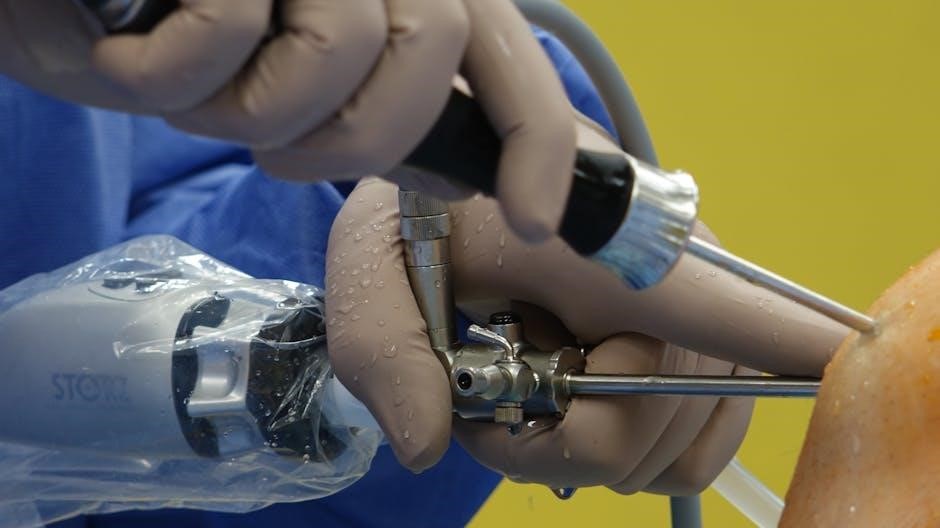
total knee replacement exercises pdf
Recovering from total knee replacement? Get back on your feet faster with our easy-to-follow exercises! Download the PDF & start your journey to mobility today – Australia focused.
Total Knee Replacement (TKR) exercises are crucial for recovery‚ detailed in protocols like those from the Insall Scott Kelly Institute.
These PDF guides outline phases‚ from initial swelling reduction to regaining full function‚ emphasizing physical therapy’s role.
Understanding the Need for Rehabilitation
Rehabilitation following Total Knee Replacement (TKR) isn’t merely suggested – it’s fundamentally essential for a successful outcome. Protocols‚ often available as PDF documents from institutions like the Insall Scott Kelly Institute‚ highlight that surgery addresses the damaged joint‚ but doesn’t automatically restore function.
Post-operative exercises‚ guided by physical therapists‚ actively combat stiffness‚ swelling‚ and muscle weakness. Ignoring rehabilitation can lead to diminished range of motion‚ persistent pain‚ and a reduced ability to return to daily activities. These PDF resources emphasize a phased approach‚ starting with gentle movements and progressively increasing intensity to rebuild strength and stability. Effective rehabilitation maximizes the longevity of the new joint and improves overall quality of life.
Goals of Post-Operative Exercise

Post-operative exercise following Total Knee Replacement (TKR) centers around several key objectives‚ clearly outlined in rehabilitation PDF protocols. Primarily‚ these exercises aim to reduce pain and inflammation‚ crucial in the initial healing stages. Increasing the knee’s range of motion is paramount‚ striving for full extension and flexion.
Simultaneously‚ strengthening the quadriceps‚ hamstrings‚ and surrounding muscles provides stability and support. PDF guides from Brigham and Women’s Hospital detail a phased progression‚ focusing on restoring gait and balance. Ultimately‚ the goal is to enable a return to functional activities‚ improving the patient’s ability to perform daily tasks and maintain long-term knee health.
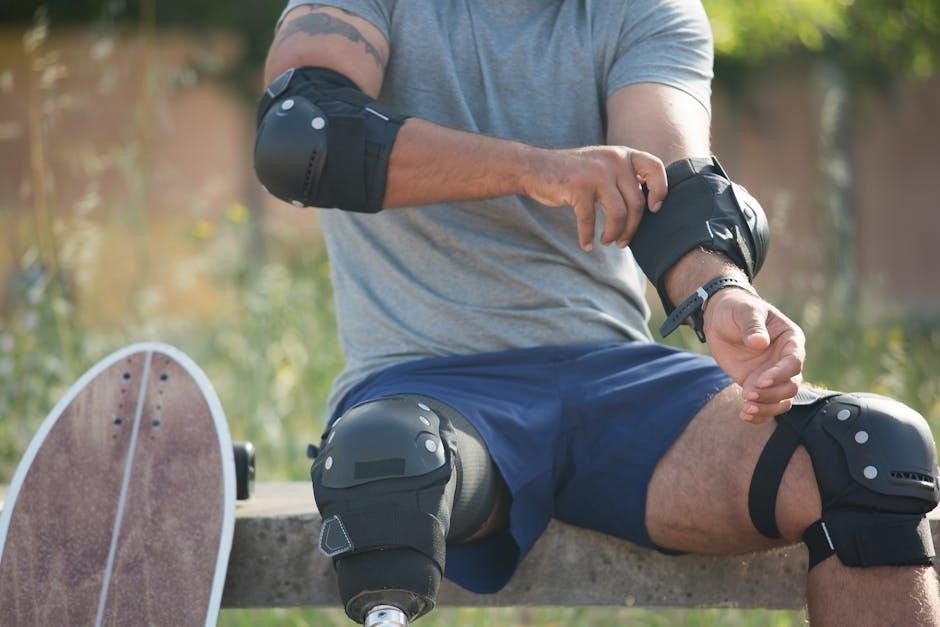
Phase I: Immediate Post-Surgical Phase (Days 0-3)
Phase I‚ detailed in PDF protocols‚ prioritizes decreasing swelling‚ increasing initial range of motion‚ and enhancing early muscle control post-surgery.
Reducing Pain and Swelling
Early intervention‚ as outlined in Total Knee Replacement (TKR) exercise PDF guides from institutions like Brigham and Women’s Hospital‚ focuses on minimizing post-operative discomfort and edema. Initial strategies involve gentle range-of-motion exercises‚ promoting circulation and lymphatic drainage.
Elevation of the affected limb is paramount‚ alongside consistent application of ice packs to the knee. These methods‚ detailed within rehabilitation protocols‚ aim to control inflammation and alleviate pain. Pharmacological interventions‚ such as anti-inflammatory medications‚ complement these physical techniques.
The goal during this phase‚ typically days 0-3‚ is to establish a foundation for more aggressive rehabilitation by managing pain and swelling effectively‚ allowing for improved participation in subsequent exercises.
Early Range of Motion Exercises
Total Knee Replacement (TKR) exercise PDF protocols‚ such as those from the ISK Institute‚ emphasize initiating gentle range-of-motion (ROM) exercises immediately post-surgery. These exercises‚ performed within pain tolerance‚ aim to prevent stiffness and promote early joint mobility.
Key exercises include heel slides – gliding the heel towards the buttocks – and quad sets – tightening the thigh muscles. Ankle pumps are also crucial for circulation. These movements‚ detailed in rehabilitation guides‚ are performed frequently throughout the day.
The focus isn’t on achieving a full range of motion initially‚ but rather on consistently moving the joint to prevent adhesions and maintain some degree of flexibility‚ setting the stage for progressive ROM gains.
Enhancing Muscle Control
Total Knee Replacement (TKR) exercise PDF resources‚ like Brigham and Women’s Hospital protocols‚ highlight the importance of regaining muscle control post-surgery. Early exercises focus on activating key muscle groups around the knee‚ particularly the quadriceps and hamstrings.
Quad sets‚ as previously mentioned‚ are foundational‚ alongside straight leg raises – lifting the leg while keeping the knee extended. Gluteal sets (squeezing the buttocks) and gentle hip abduction/adduction also contribute to overall stability.
These exercises‚ detailed in rehabilitation guides‚ aren’t about building strength yet‚ but about re-establishing neuromuscular connection and improving voluntary muscle activation‚ crucial for functional recovery.
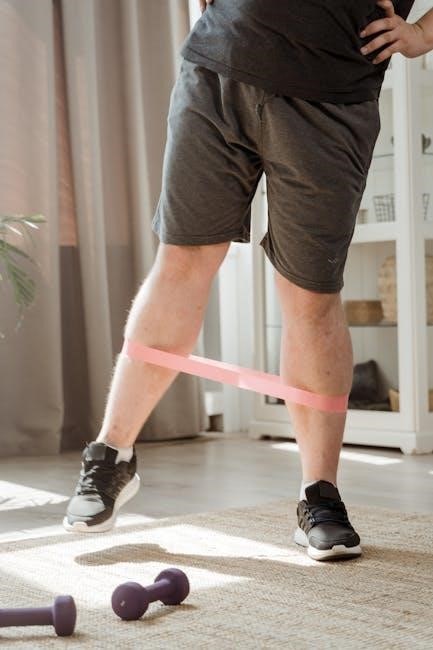
Phase II: Early Rehabilitation (Week 1-2)
Total Knee Replacement exercise PDF protocols emphasize strengthening quads and hamstrings‚ improving knee flexion/extension‚ and carefully progressing weight-bearing activities.
Strengthening Quadriceps and Hamstrings
Total Knee Replacement exercise PDF guides consistently prioritize quadriceps and hamstring strengthening during weeks 1-2. Early exercises‚ often detailed within these protocols‚ focus on regaining muscle control lost due to surgery and immobility.
Quadriceps sets – tightening the thigh muscle – and short-arc quads‚ lifting the leg while supported‚ are foundational. Hamstring curls‚ performed lying down or seated‚ rebuild strength in the back of the thigh. These exercises‚ as outlined in resources like the Brigham and Women’s Hospital protocol‚ are crucial for stabilizing the knee joint.
Progressive resistance‚ using ankle weights or resistance bands‚ is introduced cautiously. The goal is to improve strength without causing excessive pain or swelling‚ adhering to the guidelines found in comprehensive PDF rehabilitation programs.
Improving Knee Flexion and Extension
Total Knee Replacement exercise PDF resources emphasize regaining full knee flexion and extension as a primary goal in weeks 1-2. Protocols‚ such as those from the ISK Institute‚ detail exercises to achieve this. Heel slides‚ gently moving the heel towards the buttocks‚ are fundamental for increasing flexion.
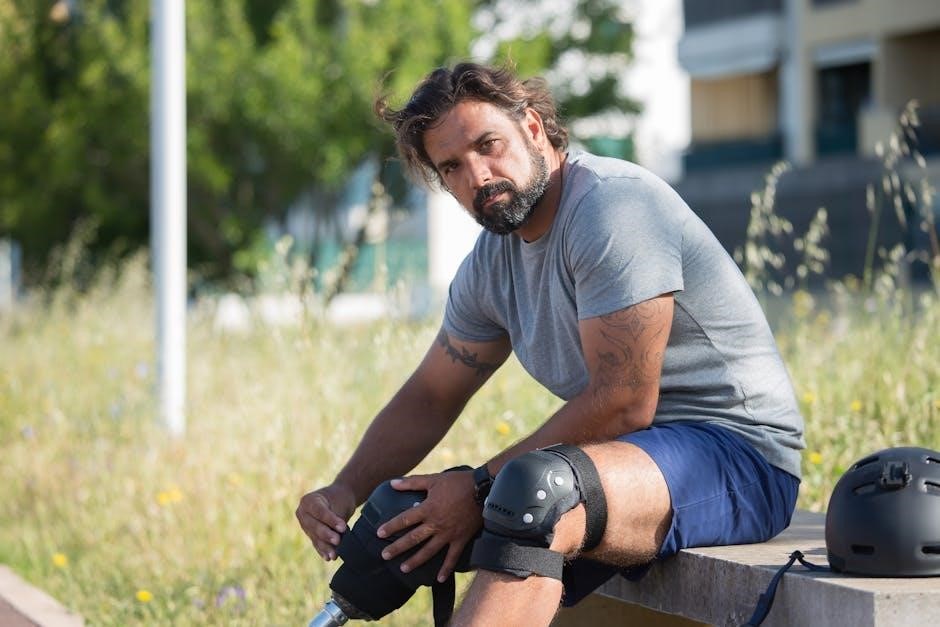
For extension – straightening the knee – passive extensions‚ using a towel roll under the heel‚ are often prescribed. These exercises‚ detailed in post-operative rehabilitation guides‚ aim to restore a normal range of motion.
Consistent‚ gentle movements are key‚ avoiding forceful bending or straightening. The PDF guides stress monitoring for pain and swelling‚ adjusting the intensity accordingly to ensure safe and effective progress.
Weight-Bearing Progression
Total Knee Replacement exercise PDF protocols meticulously outline a phased approach to weight-bearing. Initially‚ partial weight-bearing is encouraged‚ often utilizing assistive devices like walkers or canes. The Brigham and Women’s Hospital protocol‚ available as a PDF‚ details this progression.
As strength improves – typically during weeks 1-2 – the amount of weight borne on the operated leg gradually increases. Physical therapists guide this process‚ monitoring for pain and stability.
Full weight-bearing is the ultimate goal‚ but it’s achieved cautiously‚ guided by individual progress and the recommendations within the rehabilitation PDF. Proper form and controlled movements are emphasized throughout this crucial phase.

Phase III: Intermediate Rehabilitation (Weeks 2-6)
Total Knee Replacement exercise PDF guides detail advanced strengthening‚ proprioceptive training‚ and gait work during weeks 2-6‚ building on earlier phases.
Advanced Strengthening Exercises
PDF rehabilitation protocols for Total Knee Replacement (TKR) emphasize progressive strengthening during the intermediate phase. These exercises move beyond basic quadriceps and hamstring work‚ incorporating more challenging movements. Expect to see instructions for leg presses‚ step-ups‚ and controlled lunges‚ gradually increasing resistance.
The goal is to rebuild muscle strength and endurance‚ essential for functional activities. Protocols‚ like those from Brigham and Women’s Hospital‚ often detail specific repetition and set guidelines. Focus shifts to exercises that mimic real-life movements‚ preparing the knee for increased demands. Consistent adherence to the PDF’s prescribed program is vital for optimal recovery and long-term knee health. Remember to consult your physical therapist for proper form and progression.
Proprioceptive Training
Total Knee Replacement (TKR) rehabilitation PDF guides highlight the importance of proprioception – your body’s awareness of its position in space. Following surgery‚ this sense is often diminished. Exercises aim to retrain the knee’s ability to stabilize itself‚ reducing the risk of falls and re-injury.
Expect activities like single-leg stance‚ wobble board exercises‚ and balance beam walks‚ detailed within the PDF protocols. These challenge the knee joint‚ forcing it to react and improve neuromuscular control. Progressive difficulty is key‚ starting with stable surfaces and advancing to more unstable ones. Consistent practice‚ as outlined in resources from the Insall Scott Kelly Institute‚ is crucial for restoring natural movement patterns and long-term joint stability.
Gait Training and Balance
Total Knee Replacement (TKR) rehabilitation PDF protocols prioritize restoring a normal walking pattern – gait – and improving balance. Initially‚ assistive devices like canes or walkers are used‚ gradually weaned as strength and stability increase. PDF guides detail progressive exercises‚ starting with short walks and advancing to varied terrains.
Balance exercises‚ often incorporated into the PDF programs‚ include weight shifting‚ tandem stance‚ and reaching activities. These challenge the knee and surrounding muscles‚ enhancing stability. The Brigham and Women’s Hospital protocols emphasize a cautious progression‚ ensuring proper form and minimizing fall risk. Ultimately‚ the goal is independent‚ pain-free ambulation and confident balance in daily activities.

Phase IV: Late Rehabilitation (Weeks 6+)
PDF rehabilitation protocols focus on returning to functional activities‚ incorporating maintenance exercises for long-term knee health and sustained improvements.
Return to Functional Activities
PDF-based rehabilitation guides detail a gradual return to everyday tasks‚ mirroring pre-surgery activity levels. This phase‚ typically starting around week six post-op‚ emphasizes regaining independence. Exercises focus on simulating real-life movements – walking‚ stair climbing‚ and even low-impact recreational activities.
Protocols‚ like those from Brigham and Women’s Hospital‚ stress a cautious approach‚ progressing only when specific strength and range-of-motion milestones are achieved. Modifying activities remains important; avoiding high-impact exercises initially is crucial. The goal isn’t just to do activities‚ but to perform them safely and efficiently‚ minimizing stress on the new joint. Continued adherence to a home exercise program‚ often outlined in the PDF‚ is vital for sustained success.
Maintenance Exercises
PDF rehabilitation protocols consistently highlight the importance of lifelong maintenance exercises post-Total Knee Replacement (TKR). These aren’t about achieving further gains‚ but preserving the strength‚ flexibility‚ and proprioception attained during formal therapy. Regular‚ low-impact activities – walking‚ swimming‚ cycling – are strongly encouraged.
Specific exercises‚ often detailed within the PDF guides‚ include continued quadriceps and hamstring strengthening‚ balance work‚ and gentle range-of-motion maintenance. Consistency is key; even short‚ daily sessions are more beneficial than infrequent‚ lengthy ones. These exercises help protect the joint‚ prevent future injuries‚ and ensure long-term functionality‚ promoting an active and independent lifestyle.
Long-Term Knee Health
Maintaining long-term knee health after Total Knee Replacement (TKR) requires a proactive approach‚ often detailed in comprehensive PDF rehabilitation guides. These resources emphasize that the surgery is a start‚ not a finish line. Consistent adherence to a home exercise program‚ as outlined in these PDFs‚ is paramount.
Weight management plays a crucial role‚ reducing stress on the artificial joint. Regular‚ low-impact exercise – walking‚ swimming‚ and cycling – are recommended. Periodic check-ups with an orthopaedic specialist are vital to monitor joint health. Following activity modification strategies‚ also found in PDF protocols‚ helps prevent overuse and potential complications‚ ensuring a sustained quality of life.
Assistive Devices and Modifications
PDF rehabilitation protocols detail using canes and walkers for initial support‚ alongside activity modifications to protect the healing knee joint post-replacement.
Use of Canes and Walkers
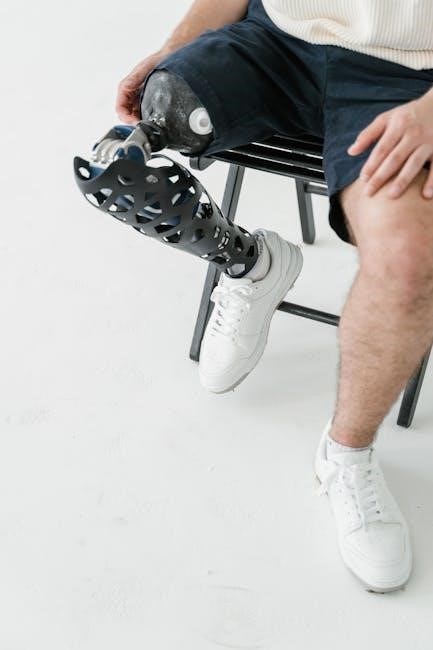
Assistive devices‚ specifically canes and walkers‚ are integral to the early phases of recovery following total knee replacement‚ as detailed in numerous PDF rehabilitation protocols. These aids provide crucial stability and reduce stress on the newly replaced joint during weight-bearing activities.
Initially‚ a walker may be recommended for maximum support‚ gradually transitioning to a cane as strength and balance improve. Proper fitting and instruction from a physical therapist are essential to ensure safe and effective use. Protocols emphasize correct gait patterns while utilizing these devices‚ focusing on even weight distribution and minimizing pain.
The goal is to progressively wean off assistive devices as muscle strength increases and the patient regains confidence in their knee’s stability‚ always guided by the therapist’s assessment and the specific PDF protocol being followed.
Activity Modification Strategies
Successful recovery after total knee replacement‚ as outlined in PDF rehabilitation guides‚ necessitates strategic activity modifications. These adjustments minimize stress on the healing joint and prevent complications. Initially‚ avoiding high-impact activities like running and jumping is crucial.
Daily tasks may require adaptation – using assistive devices to reach‚ modifying seating heights‚ and breaking down activities into smaller‚ manageable steps. Protocols emphasize listening to your body and avoiding activities that cause excessive pain or swelling.
Gradual reintroduction of activities‚ guided by a physical therapist‚ is key. The PDF resources highlight the importance of pacing oneself and prioritizing exercises over strenuous tasks during the rehabilitation process.
The Role of Physical Therapy
Physical therapy‚ detailed in PDF protocols‚ is vital for TKR recovery; a qualified therapist designs individualized exercise programs to maximize function and minimize pain.
Importance of a Qualified Therapist
A qualified physical therapist is paramount in navigating the complexities of total knee replacement rehabilitation‚ as outlined in detailed PDF protocols from institutions like the Insall Scott Kelly Institute. These professionals don’t simply assign exercises; they conduct thorough evaluations to create individualized programs tailored to each patient’s specific needs‚ progress‚ and limitations.
They possess the expertise to accurately assess range of motion‚ strength‚ and gait‚ adjusting the program accordingly. Crucially‚ a skilled therapist can identify and address potential complications early on‚ ensuring optimal healing and preventing setbacks. They provide crucial education on proper form‚ activity modification‚ and pain management‚ empowering patients to actively participate in their recovery journey. Accessing a therapist experienced in TKR PDF-guided rehabilitation is a key determinant of successful outcomes.
Individualized Exercise Programs
Total Knee Replacement (TKR) rehabilitation isn’t a one-size-fits-all process; individualized exercise programs‚ often detailed in PDF protocols like those from Brigham and Women’s Hospital‚ are essential. These programs consider factors like pre-operative fitness levels‚ surgical technique‚ and individual healing rates.
A qualified therapist will progress patients through phases – protective‚ early‚ intermediate‚ and late – adapting exercises based on their response. Protocols emphasize a gradual increase in intensity and complexity‚ starting with range-of-motion and muscle control‚ progressing to strengthening and proprioceptive training. The PDF guides serve as a framework‚ but the therapist’s expertise ensures the program remains responsive to the patient’s unique journey‚ maximizing functional recovery and minimizing risks.
Medical Management Alongside Exercise
PDF rehabilitation protocols highlight that anti-inflammatory medications and pain management strategies complement total knee replacement exercises‚ optimizing healing and comfort.
Anti-Inflammatory Medications
Post-operative protocols‚ often available as PDF documents from institutions like Brigham and Women’s Hospital and the Insall Scott Kelly Institute‚ consistently emphasize the crucial role of anti-inflammatory medications in managing recovery after total knee replacement. These medications‚ prescribed by your physician‚ work synergistically with your exercise regimen to control pain and significantly reduce swelling in the affected joint.
Reducing inflammation is paramount‚ especially during the initial phases of rehabilitation‚ as it allows for greater comfort and improved range of motion during exercises. While medication provides symptomatic relief‚ it’s vital to remember it’s not a substitute for diligently following your prescribed exercise plan. Consistent adherence to the PDF-guided exercises‚ alongside appropriate medication‚ yields the best long-term outcomes.
Pain Management Strategies
Effective pain management is integral to successful total knee replacement rehabilitation‚ as detailed in post-operative protocols often found as PDF guides. These resources‚ like those from the Insall Scott Kelly Institute‚ highlight a multi-faceted approach. Beyond prescribed pain medications‚ strategies include ice application‚ elevation of the leg‚ and gentle range-of-motion exercises – all designed to minimize discomfort and facilitate participation in physical therapy.
Proactive pain control allows patients to engage more fully with their rehabilitation program‚ leading to faster recovery and improved functional outcomes. Remember‚ consistent exercise‚ guided by your PDF protocol‚ can actually reduce pain over time by strengthening supporting muscles and improving joint stability. Communicate openly with your medical team about your pain levels.