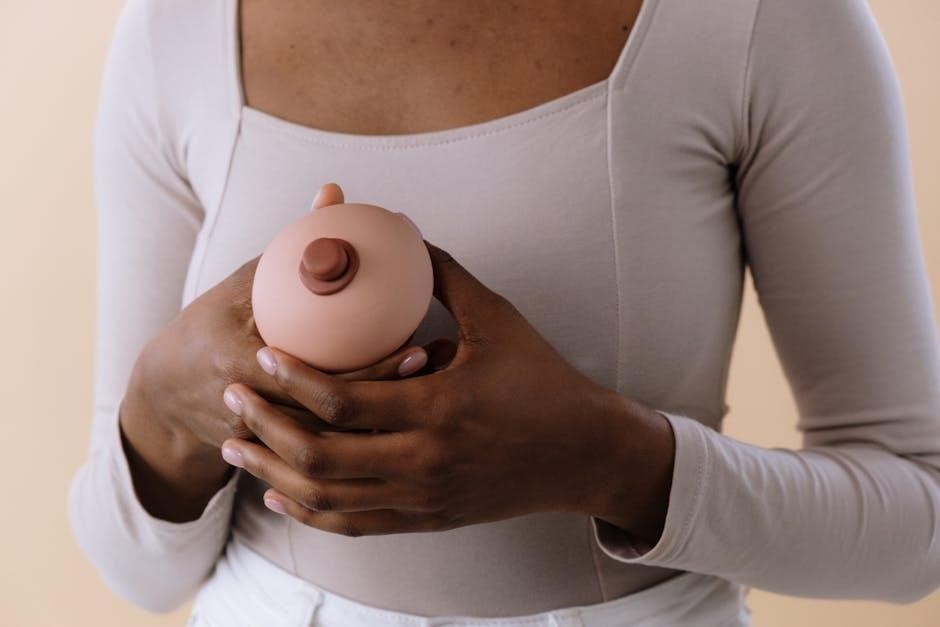
manual ameda breast pump
Need help with your Ameda breast pump? Find all the manuals & troubleshooting tips right here! Easy downloads for stress-free pumping. **Ameda Breast Pump** made simple.
Ameda Breast Pump: A Comprehensive Guide (Updated 03/09/2026)
Ameda offers both electric and manual breast pumps, catering to diverse needs. While discussions focus on the Mya Joy, exploring Ameda’s manual options provides a simpler, portable solution for occasional pumping.
Ameda has been a notable presence in the breast pump market, offering a range of solutions for nursing mothers. While often discussed in relation to their electric pumps like the Mya Joy, Ameda also provides manual breast pumps as a viable option for those seeking a simpler, more affordable, or occasionally-used pumping solution. These manual pumps are particularly appealing to mothers who prefer a quiet, discreet pumping experience or those needing a backup pump for travel.
Compared to hospital-grade electric pumps like Medela, Ameda’s manual pumps offer a different approach. They rely on hand expression, providing control over suction and rhythm. Though requiring more physical effort, they eliminate the need for electricity and can be incredibly portable. Understanding the full spectrum of Ameda offerings, including their manual options, is crucial for making an informed decision based on individual needs and preferences.
Understanding the Ameda Mya Joy Model
The Ameda Mya Joy is frequently covered by insurance, making it accessible to many new mothers. However, it’s important to note that the discussions surrounding the Mya Joy primarily focus on its electric functionality. While a popular choice, some users report its suction power feels weaker compared to hospital-grade pumps like Medela. This has led some to seek alternatives, such as the Baby Buddha, known for its stronger suction.
Interestingly, the Mya Joy offers battery operation for portability, a feature appreciated by some. However, the initial experience for some users has prompted exploration of other options. It’s crucial to remember that pump effectiveness is highly individual, and what works for one mother may not work for another, even within the Ameda range, or compared to manual alternatives.
Ameda Pump Technology: Key Features
While the Ameda Mya Joy is highlighted for its electric capabilities and insurance coverage, Ameda’s technology extends to manual pumps as well. These manual options prioritize simplicity and portability, offering a lightweight solution for mothers needing occasional expression. The core technology focuses on creating comfortable and efficient suction through ergonomic designs and responsive breast shields.
Compared to electric models, Ameda’s manual pumps rely on the user’s hand strength to control the pumping rhythm and suction intensity. This allows for a personalized experience, though it may require more physical effort. The availability of flange sizes, however, appears limited, with some users struggling to find the correct fit – a 24mm size being specifically mentioned as unavailable directly from Ameda.

Performance and Efficiency
Ameda’s manual pumps offer a basic level of performance, suitable for supplemental expression, but generally yield less milk compared to electric models.
Suction Power Comparison: Ameda vs. Medela
Comparing Ameda and Medela suction power is complex, especially when considering manual versus electric pumps. User feedback consistently highlights Medela hospital-grade pumps as having significantly stronger suction than the Ameda Mya Joy, and by extension, likely surpasses Ameda’s manual options.
Manual pumps, including Ameda’s, rely entirely on the user’s hand strength to create suction, resulting in a variable and generally lower suction level. Medela electric pumps offer consistent, adjustable suction, often crucial for effective milk removal. While a manual Ameda is portable and quiet, it cannot replicate the consistent power of an electric Medela, potentially impacting milk output for some individuals. The difference is particularly noticeable for those needing to establish or maintain a robust milk supply.
Milk Output: Ameda Mya Joy User Experiences
User experiences with the Ameda Mya Joy regarding milk output are mixed, and often contrasted with other pump brands. Several users report lower output compared to Medela hospital-grade pumps used during their initial postpartum stay. While the Mya Joy is a fully electric pump, experiences suggest it may not be as efficient for all mothers.
Considering Ameda’s manual pumps, output is inherently tied to user effort and hand strength. Reports indicate that transitioning to a Baby Buddha pump significantly increased milk volume for some Ameda Mya Joy users, implying a suction/output difference. Therefore, a manual Ameda might yield even less milk for those accustomed to stronger electric pumps, necessitating longer pumping sessions to achieve desired results.
Comparing Ameda to Baby Buddha Pumps
Comparing Ameda to Baby Buddha pumps reveals a significant difference in user-reported suction power and milk output. Many mothers switching from the Ameda Mya Joy to Baby Buddha experienced dramatically faster and more complete emptying. This suggests Baby Buddha offers a stronger, more aggressive suction, beneficial for mothers needing assistance with milk ejection.
Considering Ameda’s manual options, the contrast is even starker. A manual Ameda relies entirely on hand strength, while Baby Buddha, even in its portable versions, provides consistent, powerful electric suction. While Baby Buddha may not suit all mothers (some find the vibration uncomfortable), it consistently outperforms Ameda in terms of efficiency and output, particularly for those seeking maximum milk expression.
Ameda vs. Spectra S1: Output and Efficiency
The comparison between Ameda and the Spectra S1 highlights a clear advantage for the Spectra in both milk output and overall efficiency, even when considering Ameda’s electric models. Users report consistently obtaining more ounces per pumping session with the Spectra S1. This difference becomes even more pronounced when evaluating a manual Ameda pump against the Spectra S1’s consistent, adjustable electric suction.
A manual Ameda pump relies solely on the user’s physical effort, making it less efficient and potentially tiring for frequent pumping. The Spectra S1 also boasts a wider range of flange sizes, addressing a common Ameda complaint, and features fewer parts for cleaning, adding to its convenience. Ultimately, the Spectra S1 offers a more reliable and productive pumping experience.
Usability and Convenience
Ameda’s manual pumps offer quiet, discreet operation and portability without needing electricity, making them ideal for travel or occasional use, providing convenience.
Portability and Battery Operation
Ameda prioritizes portability, particularly with its electric models like the Mya Joy, which can operate on batteries, offering freedom from outlets. However, Ameda’s manual breast pumps inherently excel in portability, requiring absolutely no electricity. This makes them exceptionally convenient for travel, work, or situations where access to power is limited.
Unlike electric pumps, manual Ameda options are lightweight and compact, easily fitting into diaper bags or purses. Users appreciate this simplicity, as it eliminates the need for cords, chargers, or battery packs. The self-powered nature of a manual pump ensures reliable operation anywhere, anytime, offering a practical solution for moms on the go who need a discreet and readily available pumping option.
Ameda Pump Settings and Customization
While Ameda’s electric pumps, like the Mya Joy, boast adjustable settings for personalized comfort and efficiency, manual Ameda breast pumps offer a different approach to customization. They lack pre-set modes or digital displays, instead relying on the user to control the suction and rhythm entirely through the handle.

This manual control allows for a highly individualized pumping experience. Moms can adjust the speed and pressure based on their own comfort levels and milk flow. Though lacking complex settings, this direct control can be beneficial for those sensitive to strong suction or preferring a gentler approach. The simplicity of a manual pump prioritizes user-defined comfort over automated features.

Ease of Cleaning and Parts Management
Manual Ameda breast pumps generally excel in ease of cleaning and parts management compared to their electric counterparts. Featuring fewer components, disassembly and washing are significantly streamlined. Typically, a manual pump consists of the pump body, diaphragm, valve, and breast shield – a minimal set requiring quick handwashing or sterilization.
This simplicity reduces the time spent on cleaning and minimizes the risk of missing small parts during assembly. Compared to electric pumps with multiple tubes, bottles, and electronic components, Ameda’s manual options offer a hassle-free cleaning experience. This is particularly advantageous for busy mothers prioritizing hygiene and efficiency, ensuring a sanitary pumping routine with minimal effort.
Flange Size Availability and Compatibility
Ameda, particularly with its manual pumps, has faced criticism regarding flange size availability. User feedback indicates a limited range of sizes offered directly through the company, with some mothers needing specific sizes like 24mm struggling to find compatible options on the Ameda website. This can be a significant drawback, as proper flange fit is crucial for comfort and efficient milk expression.
While Ameda flanges may be compatible with some aftermarket options or other brands, confirming compatibility requires careful research. Mothers may need to explore third-party retailers or consider flange adapters to achieve an optimal fit. This limited selection contrasts with brands like Spectra, known for their extensive flange size range, potentially requiring Ameda users to invest extra time and resources.

Troubleshooting and Common Issues
Manual Ameda pumps may experience handle stiffness or membrane issues. Ensuring proper assembly and checking for cracks are vital for consistent, comfortable operation and milk flow.
Ameda Pump Malfunctions: Reported Problems
Manual Ameda breast pumps, while simpler in design, aren’t immune to issues. Users have occasionally reported difficulties with the handle mechanism becoming stiff or difficult to compress over time, impacting pumping efficiency. Another common concern revolves around the pump’s membrane; reports indicate potential cracking or tearing, leading to suction loss and reduced milk output.
Proper assembly is crucial, and incorrect fitting of parts can contribute to malfunctions. Some users have noted challenges finding replacement parts specifically for older Ameda manual models. Thoroughly inspecting the pump before each use for any visible damage, like cracks in the shield or handle, is recommended. Consistent cleaning, following manufacturer guidelines, can also help prevent issues related to debris buildup affecting performance.
Addressing Low Suction Issues
Low suction with a manual Ameda pump often stems from a few key areas. First, ensure the membrane is correctly positioned and free from tears or punctures – this is critical for creating the necessary vacuum. Check the handle assembly; a stiff or damaged handle won’t generate adequate pressure. Confirm a proper seal between the breast shield and the breast; an incorrect flange size can significantly reduce suction.
Regularly inspect and clean all pump components, as debris can obstruct airflow. If the handle feels excessively difficult to compress, a lubricant specifically safe for baby products might help. If issues persist, consider replacing the membrane or, if significantly worn, the entire pump, as repair options for manual Ameda models are limited.
Dealing with Pump Breakdowns
Manual Ameda breast pumps, while simpler than electric models, can still experience breakdowns. Common issues include a cracked housing, a broken handle, or a malfunctioning valve. Unfortunately, due to their design and cost, repairing a manual Ameda pump is often impractical. Replacement parts are frequently difficult to source, and the cost can approach that of a new pump.
If a component breaks, assess the damage. A cracked housing usually necessitates a full replacement. For handle issues, carefully inspect for fractures. If repair isn’t feasible, explore alternative manual pumps or consider transitioning to an electric model, especially if you rely on frequent pumping. Prioritize hygiene; discontinue use if any part is damaged.

Ameda Breast Pump Alternatives
Manual pumps from brands like Baby Buddha or Spectra offer alternatives, with varying suction levels and features. Consider needs for portability and efficiency.
Spectra Breast Pumps: A Popular Alternative
Spectra breast pumps consistently emerge as a favored alternative to Ameda, particularly when users seek enhanced performance or broader flange size availability. While the provided feedback centers on the Spectra S1 electric model, offering superior output and compatibility with Philips Avent bottles, Spectra also provides manual options.
Users transitioning from the Ameda Mya Joy often report a noticeable increase in milk expression with Spectra, alongside a simplified cleaning process due to fewer parts. However, some Spectra users encountering the Baby Buddha pump mention a preference for Spectra’s vibration, suggesting a smoother pumping experience. Exploring Spectra’s manual range could provide a comparable, yet potentially more comfortable, alternative for those seeking a non-electric solution, especially considering Ameda’s limited flange size options.
Baby Buddha Pumps: High Suction Option
Baby Buddha pumps are frequently highlighted for their powerful suction, often sought by mothers experiencing difficulties with milk expression. Compared to the Ameda Mya Joy, users report significantly faster and more complete emptying with Baby Buddha, addressing concerns about the Ameda’s lower suction levels. This makes Baby Buddha a compelling option for those needing a stronger pump.
However, it’s crucial to acknowledge that higher suction isn’t universally beneficial, requiring individual trial and error. While Baby Buddha excels in suction, some Spectra users find its lack of vibration less comfortable. Considering a manual Baby Buddha model could offer a portable, high-suction alternative to the Ameda, though individual comfort levels should be prioritized.
Bella Baby Pumps: Budget-Friendly Choice
Bella Baby pumps present an attractive option for mothers seeking a more affordable alternative to Ameda or other premium brands. One user is currently testing a Bella Baby pump to compare it to the Baby Buddha, anticipating a similar performance at half the price. This highlights Bella Baby’s potential for value.
While information specifically comparing Bella Baby to Ameda’s manual options is limited, the brand’s focus on affordability suggests a viable choice for occasional pumping needs. Mothers who find the Ameda Mya Joy insufficient in suction might explore Bella Baby as a budget-conscious upgrade, though thorough research is recommended to ensure it meets individual requirements.
Momcozy Wearable Pumps: Comparison to Ameda
Momcozy wearable pumps are frequently discussed as alternatives to traditional electric pumps like the Ameda Mya Joy. However, a user’s experience revealed that the Ameda provided a better milk output compared to a Momcozy wearable pump. This suggests that while Momcozy offers convenience with its hands-free design, it may not match the efficiency of Ameda for all mothers.
Considering Ameda’s manual options, the contrast is even more pronounced. Momcozy focuses on discreet, electric pumping, while a manual Ameda pump prioritizes simplicity and portability without reliance on batteries or a power source. Mothers prioritizing output might favor Ameda, while those valuing convenience may lean towards Momcozy.

Purchasing and Insurance Coverage
Manual Ameda pumps are generally less expensive than electric models, potentially reducing out-of-pocket costs. Insurance coverage varies; check your plan for eligibility.
Insurance Coverage for Ameda Pumps
Insurance coverage for Ameda breast pumps, including manual options, is dependent on your specific healthcare plan and the Affordable Care Act (ACA) guidelines. The ACA generally mandates coverage for breastfeeding support, including breast pumps, but the extent of coverage varies significantly.
Many users report receiving the Ameda Mya Joy (an electric model) through insurance with no cost, but coverage for manual pumps is less frequently discussed. It’s crucial to directly contact your insurance provider to confirm if manual Ameda pumps are eligible for reimbursement or direct coverage.
You may need a prescription from your doctor to qualify for coverage. Documentation proving medical necessity, such as a lactation consultant’s recommendation, could also be required. Keep detailed records of all communication with your insurance company and any associated costs.
Where to Buy Ameda Breast Pumps
Ameda breast pumps, including manual models, are available through a variety of retailers, both online and in physical stores. Major online marketplaces like Amazon and Walmart carry a selection of Ameda products, offering convenience and competitive pricing. The official Ameda website (https://www.ameda.com/) is a direct source, potentially offering exclusive models or bundles.
Pharmacies such as CVS and Walgreens may stock Ameda pumps, though manual options might have limited availability in-store. Checking with local baby boutiques can also yield results, providing personalized assistance. Used Ameda pumps, including manual versions, are sometimes found on platforms like Facebook Marketplace, but exercise caution regarding hygiene and functionality.
Always compare prices and check for warranty information before purchasing.
Cost Considerations and Value
Manual Ameda breast pumps generally represent a lower upfront investment compared to electric models, typically ranging from $30 to $70, depending on the retailer and any included accessories. This affordability makes them an attractive option for occasional pumpers or those seeking a backup solution. However, the value proposition extends beyond the initial price.
Consider the long-term costs associated with replacement parts, such as valves and membranes, though these are generally less frequent for manual pumps. While offering less automation than electric pumps, a manual Ameda provides portability and quiet operation.
Comparing the cost to the convenience and potential milk output—especially when considering user experiences with electric alternatives—is crucial for determining overall value.
Additional Resources
Ameda’s website offers support for all pumps, including manual models. Online forums and communities can provide user tips and troubleshooting advice for Ameda products.
Ameda Support and Warranty Information
Ameda provides customer support through their official website, offering FAQs, troubleshooting guides, and contact information for direct assistance. While specific warranty details for manual breast pumps may vary, Ameda generally offers a limited warranty covering manufacturing defects.
It’s crucial to register your Ameda pump, including manual versions, to activate the warranty. Retain your proof of purchase, as it’s often required for warranty claims. Users have reported varying experiences with Ameda’s customer service responsiveness. Checking online forums can provide insights into recent support experiences.
For manual pumps, the warranty typically covers the pump mechanism itself, but may not include wear-and-tear items like valves or membranes. Always refer to the warranty documentation included with your specific Ameda manual breast pump for complete details;
Online Communities and User Forums
Numerous online communities and user forums offer valuable insights into Ameda breast pumps, including experiences with their manual models. Platforms like Facebook groups dedicated to breastfeeding and pumping often feature discussions about Ameda products. Reddit’s r/breastfeeding and similar subreddits can provide peer support and honest reviews.
These forums are excellent resources for troubleshooting issues, comparing Ameda manual pumps to other brands, and learning about user modifications or hacks. Searching for “Ameda manual pump review” will yield relevant threads and discussions.
While information shared in these forums should be considered anecdotal, it can offer a realistic perspective beyond official marketing materials. Users frequently share tips on maximizing output and finding compatible accessories for Ameda manual pumps.

Tips for Maximizing Milk Production with Ameda
While often compared to electric models, maximizing output with an Ameda manual pump requires focused technique. Prioritize a comfortable flange fit; unfortunately, Ameda has limited flange size availability, potentially impacting comfort and efficiency. Ensure proper hand positioning and a consistent rhythm during pumping sessions.
Combining manual pumping with hand expression can further stimulate milk flow. Warm compresses applied before pumping can encourage let-down. Hydration and a nutritious diet are crucial for maintaining milk supply, regardless of pump type.
Consider power pumping – short, frequent pumping sessions – to signal your body to increase production. Remember, consistency is key, even with a manual pump.